

 Prices
 Free membership to your friend
 Bring a Friend
 Special offer for RIMI customers
 RECOVERY PACK
 ROLL-SHAPER
 YANGA sports water
 Group trainings
 LES MILLS group trainings
 LEMON GOLD
 Personal trainings
 Trainers
 All clubs
 Club occupancy
 News
News Career
 Contacts
 Rules
Rules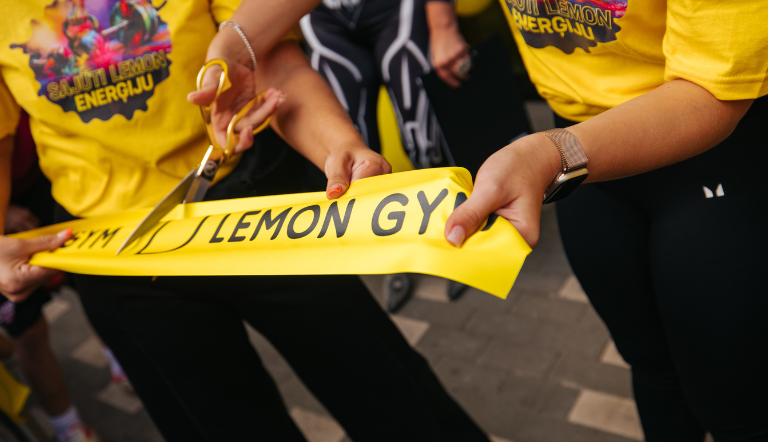
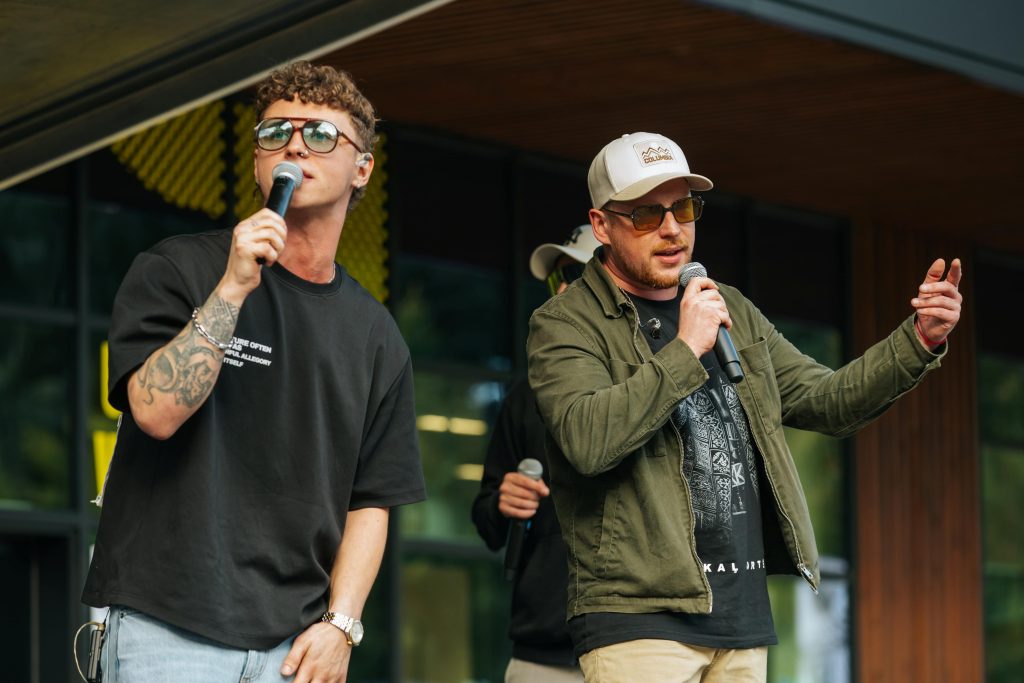
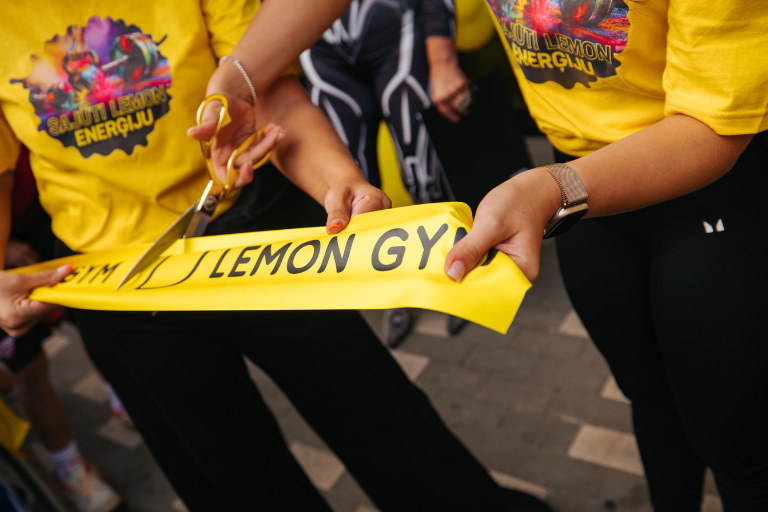
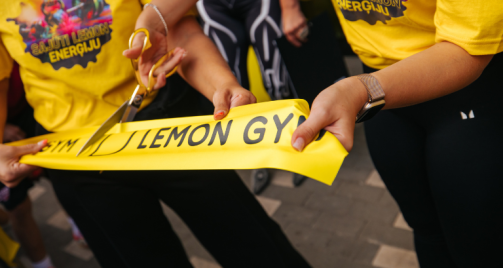
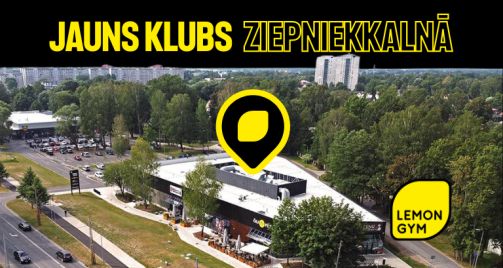
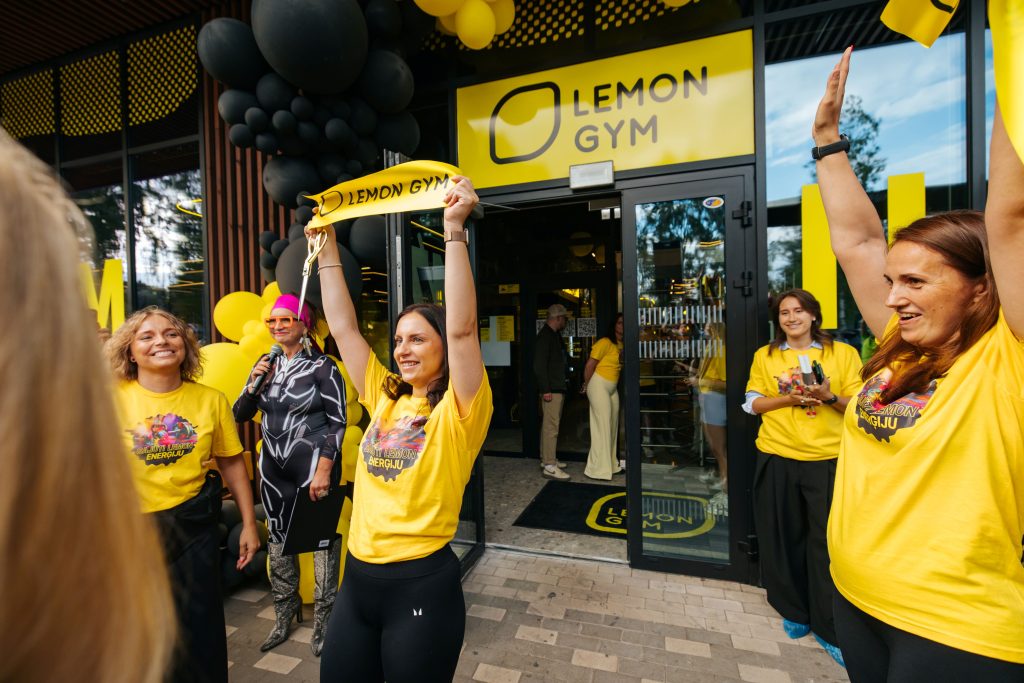
Fitness club chain Lemon Gym has opened a new fitness club in Ziepniekkalns, Riga, this week, investing approximately €900,000 in the project. Located at 39 Valdeķu Street, the new club spans approximately 1,200 square metres and is the ninth Lemon Gym fitness club in Latvia and the second in Pārdaugava. The company’s investment includes the renovation and adaptation of the premises for fitness club needs, the construction of a sauna, the purchase of new equipment and other works related to the development of the club.
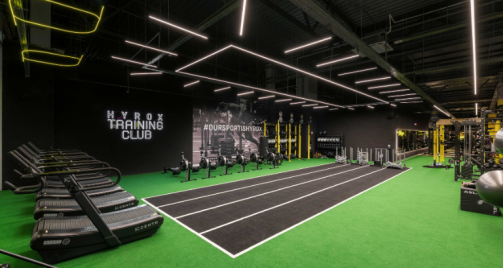
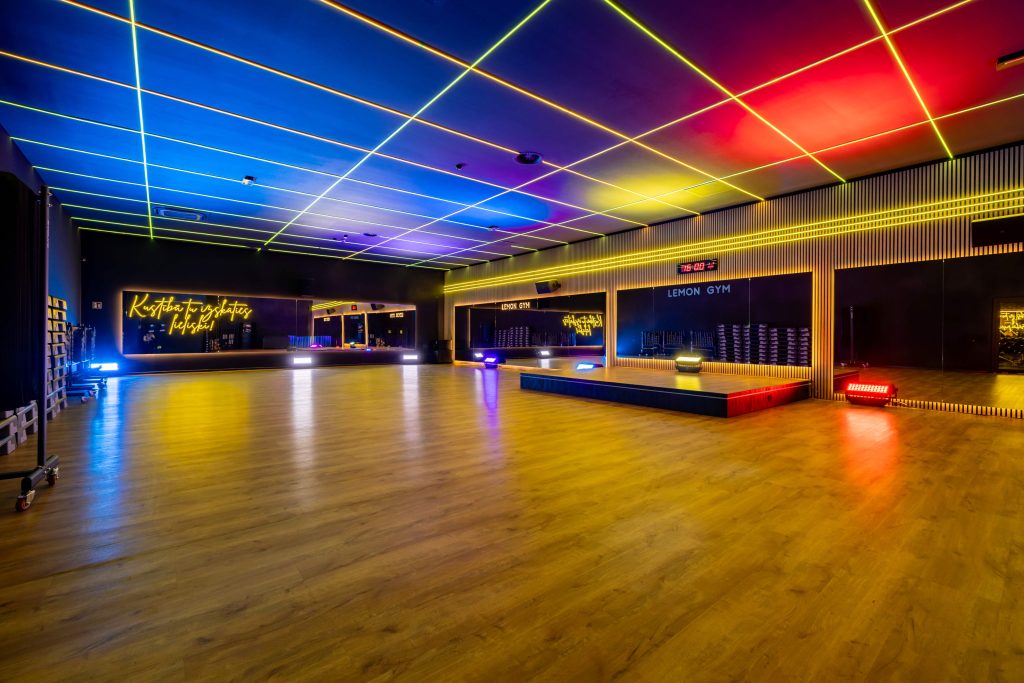
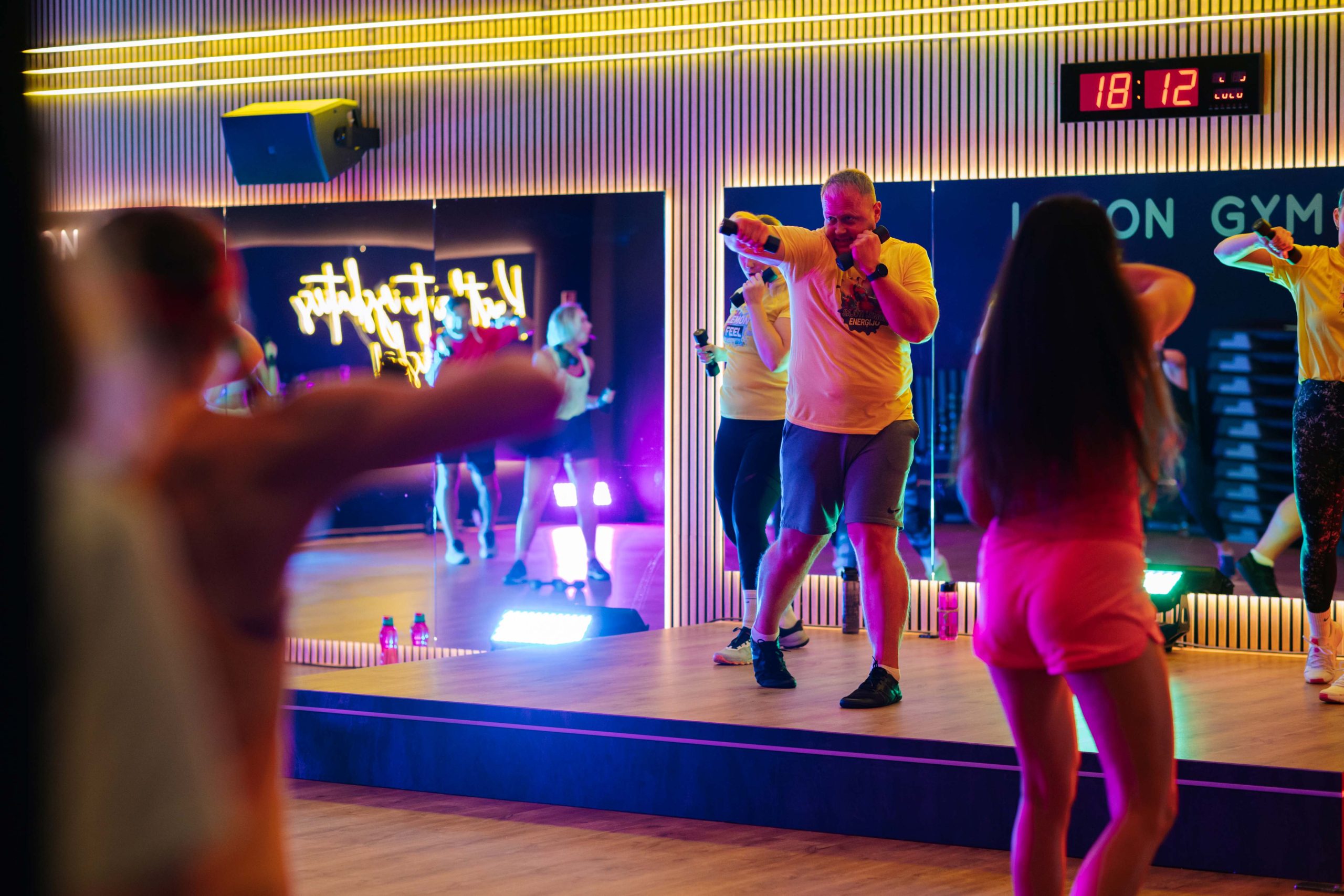
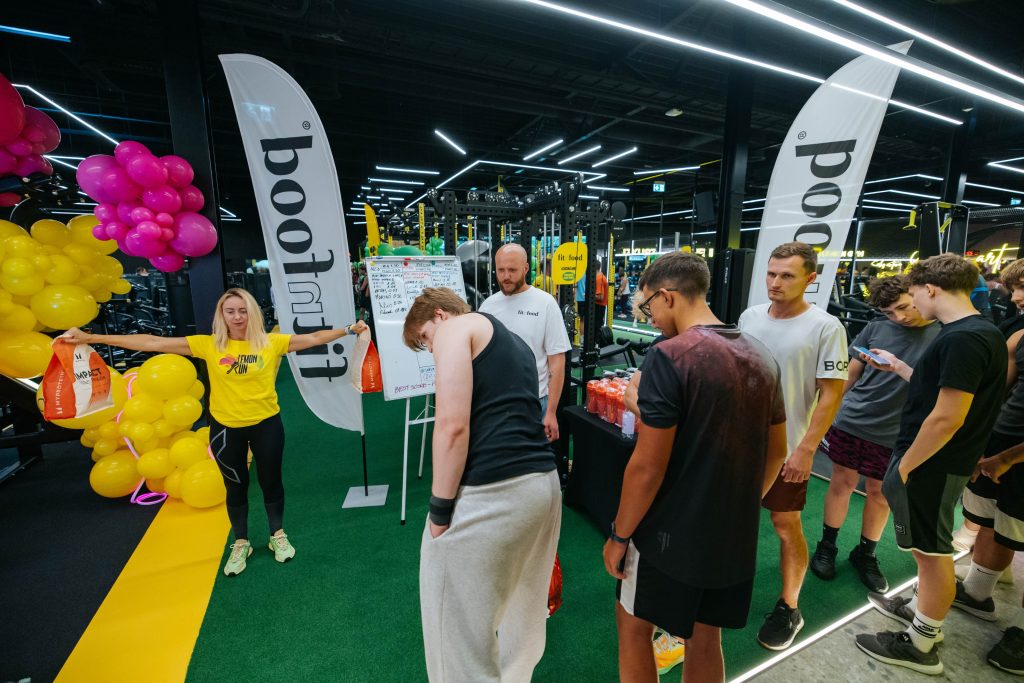
The new fitness club, which opened its doors to visitors on Wednesday, September 2, is also the first Lemon Gym club in Latvia to feature a dedicated Recovery zone. Visitors have access to a spacious group exercise studio, sauna, cardio and functional training areas, a free weights area, as well as a specialised Booty zone equipped for glute training. The range of gym and other equipment has been selected based on current customer needs and training habits, with particular attention paid to cable machines, free weights and strength training equipment.
The club offers group classes and personal training sessions with a personal trainer, and approximately 180 people can work out at the club at the same time. The location was selected taking into account the area’s population and accessibility, as well as the existing coverage of Lemon Gym clubs in Pārdaugava.
“We made a deliberate decision to open the new club in Ziepniekkalns. It is one of the largest neighbourhoods in Riga, with nearly 30,000 residents, while our presence in Pārdaugava has so far been relatively limited. The new club is easily accessible both to residents of Ziepniekkalns and surrounding neighbourhoods, as well as to people who travel daily along the Vienības gatve and Kārļa Ulmaņa gatve corridors. Together, these factors create favourable conditions for stable demand for a modern and accessible fitness offering,” says Grēta Radzevičiene, CEO of Lemon Gym.
The Ziepniekkalns club is the second Lemon Gym fitness club on the left bank of the Daugava. Until now, the chain had been represented in Pārdaugava only by its club in Imanta, at 161 Slokas Street. The opening of the new club expands the availability of Lemon Gym services in the southern and southwestern parts of Riga.
In total, in 2026, Lemon Gym’s investments in opening new clubs and developing existing clubs in Latvia will exceed €1.3 million. Alongside the development of the new Ziepniekkalns club, the company has also invested €400,000 this year in the modernisation and renovation of its largest fitness club in Latvia, AKROPOLE Rīga. In the coming years, Lemon Gym plans to continue expanding its fitness club network in Latvia, opening two to three new clubs each year and investing a total of approximately €2–3 million in their development.
Latvia is Lemon Gym’s second-largest market in the Baltics, both in terms of the number of clubs and turnover. With the opening of the new club in Ziepniekkalns, the network now operates 18 fitness clubs in Lithuania, nine in Latvia and two in Estonia. This means that almost one-third of all Lemon Gym clubs in the Baltics are located in Latvia.
The importance of the Latvian market is also reflected in the company’s financial results. Since 2022, SIA Gym LV’s turnover has more than doubled, increasing from €2.78 million to €6.74 million in 2025 and accounting for approximately 38% of the total turnover of the Lemon Gym fitness club network in the Baltics.
According to the company, the Latvian fitness market still has significant growth potential. According to information published by the Latvian Health and Fitness Association, at the beginning of 2024, approximately 7% or 170,000 residents of Latvia regularly attended fitness clubs, while in Riga the figure was approximately 10% of the population. Meanwhile, data from the Central Statistical Bureau show that the share of Latvia’s population engaging in physical activity at least once a week increased from 45.4% in 2022 to 52% in 2025. In the company’s view, as the share of physically active residents grows, the motivations and expectations of fitness club visitors are also changing.
“A fitness club is increasingly becoming a regular part of a healthy lifestyle rather than simply a place people visit to achieve a specific physical goal. Interest in strength and functional training, personal training and a diverse range of group classes is growing. Recovery after a workout, a convenient club location, the ability to exercise at a suitable time and digitally manage memberships and class bookings are becoming equally important. In our view, these changes will be one of the key drivers of the fitness market’s future growth, which is why we take them into account both when developing new clubs and modernising existing ones,” Radzevičiene emphasises.